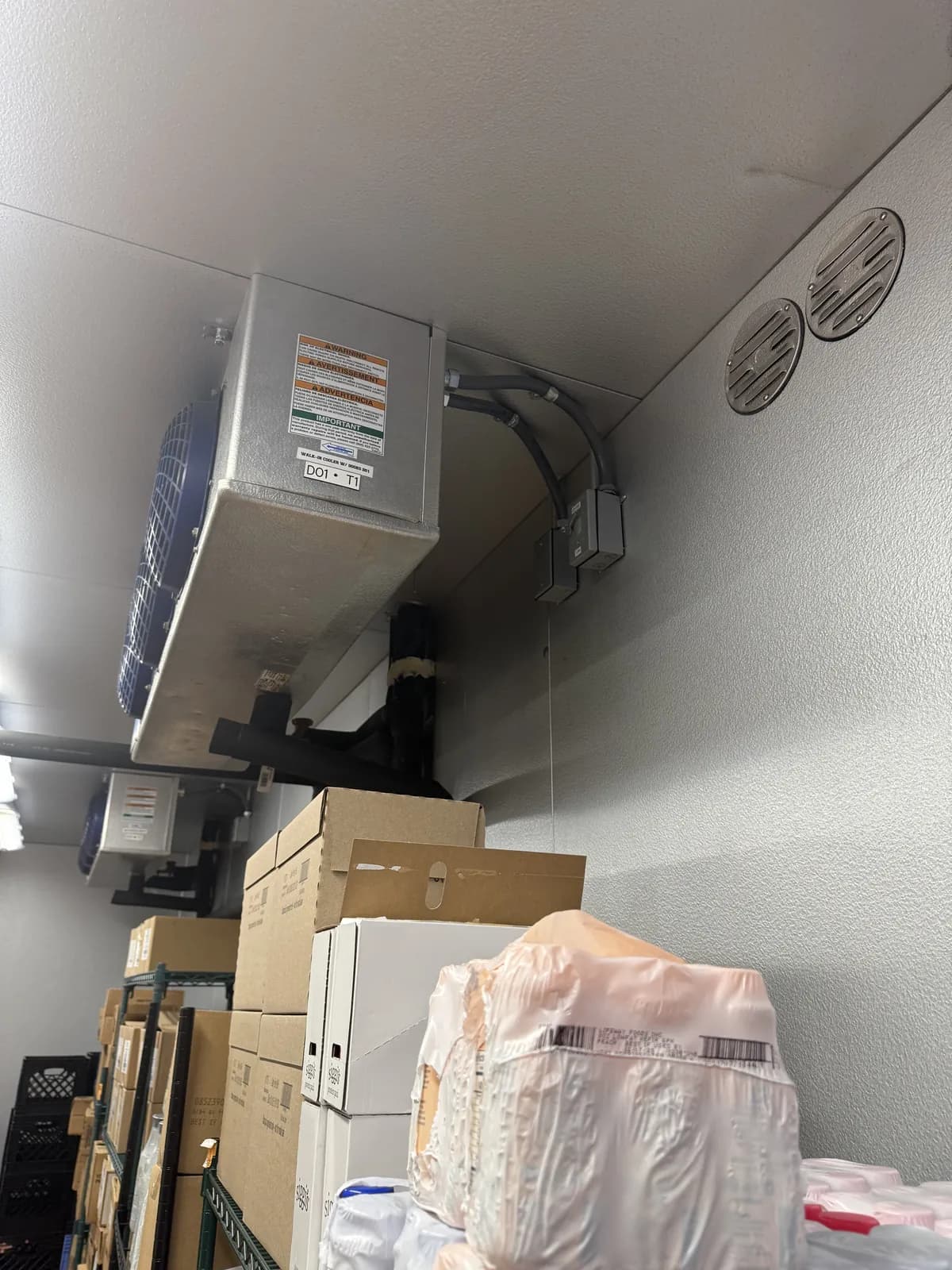
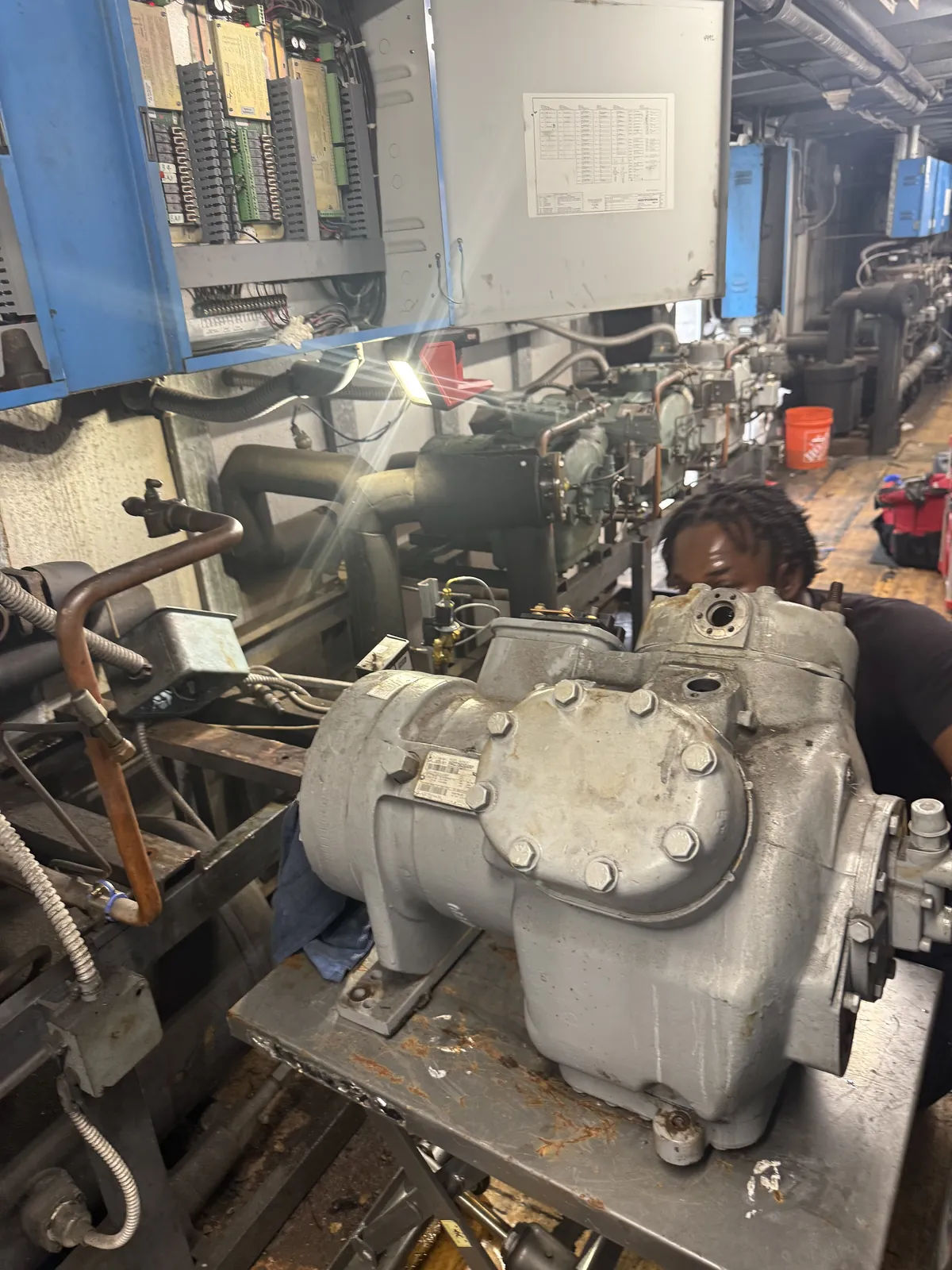

A walk-in cooler not cooling is one of the most expensive problems a South Florida food business can face. Every hour above safe temperature puts inventory, health inspections, and customer trust at risk. Warm product spoils fast in the Broward heat, and a failed cold-holding unit can shut down a kitchen line or a supermarket aisle in a single shift.
Good news: many cooling issues have a clear cause, and some you can check yourself in minutes. Below, our team walks through what to inspect first, what usually goes wrong inside the unit, and when a licensed refrigeration technician needs to step in.
Every hour above safe temperature is a countdown clock on your inventory, your health inspection, and your customers’ trust.
First, Confirm You Have a Real Cooling Problem
Before you assume the worst, verify the actual temperature inside the box. Place a calibrated thermometer near the product, not just near the door, and compare it to your controller reading. A controller can display 38°F while the food sits at 45°F, which means your product is already out of compliance.
Under the FDA Food Code, cold Time/Temperature Control for Safety (TCS) foods must stay at 41°F or below, and the USDA notes that bacteria multiply fastest in the danger zone between 40°F and 140°F USDA FSIS: The Danger Zone. Most operators set coolers to 38°F to 40°F to build a safety buffer for door openings and Florida humidity. You can review the full standard in the FDA Food Code itself.
Rule out a simple cause too. If a delivery just arrived, or a door sat open during a rush, the box may only need time to recover. Give it 30 to 60 minutes with the door shut before deciding something is broken.
Quick Checks You Can Safely Do Yourself
A handful of basic checks solve a surprising number of service calls, and none of them require opening the sealed refrigeration system. Work through the list below, and stop if anything looks electrical, iced solid, or beyond your comfort level.
- Confirm power first by checking that the unit is plugged in, the breaker has not tripped, and no disconnect switch got bumped off.
- Look at the thermostat or controller setting, since a nudged dial or a changed setpoint can quietly push temperatures out of range.
- Inspect the door gaskets for tears, gaps, or brittle spots, because a poor seal lets cold air escape and warm, humid air pour in.
- Check for overstocking and blocked airflow, since a box packed too tightly stops cold air from circulating evenly around the product.
- Scan the evaporator coils inside the box for a heavy layer of ice, which signals a defrost or airflow problem worth a technician’s attention.
- Glance at the condensing unit and its coils, and note whether they look caked with dust, grease, or lint that traps heat inside.
Federal law requires an EPA Section 608 certified technician to open, recharge, or repair a sealed refrigeration circuit. Leave anything involving refrigerant lines to a licensed professional — both for your safety and to stay legal.
Common Reasons a Walk-In Cooler Stops Cooling
Once the easy checks are done, the cause usually sits in one of a handful of components. Here are the failures our technicians find most often in South Florida walk-ins.
Dirty condenser coils. Grease, dust, and Florida pollen coat the condenser and choke off heat rejection. A clogged coil forces the system to run longer and cool less, making it one of the most common reasons a box drifts warm. Regular coil cleaning prevents most of these calls.
Failed fan motors. Condenser and evaporator fans move air across the coils, and a dead motor kills cooling fast. A condenser fan that will not spin lets the compressor overheat, while a stalled evaporator fan stops cold air from reaching your product.
Low refrigerant or a leak. Refrigerant does not get "used up," so a low charge almost always means a leak somewhere in the system. Short cycling, warm temperatures, and a faint hissing sound often point here, and a certified technician must find the leak, repair it, and recharge to spec.
An iced-over evaporator or bad defrost cycle. Ice on the evaporator blocks airflow and traps cold where it cannot help. A faulty defrost timer, heater, or thermostat lets frost build until the box slowly warms, which is common when a unit skips or shortens its defrost cycle.
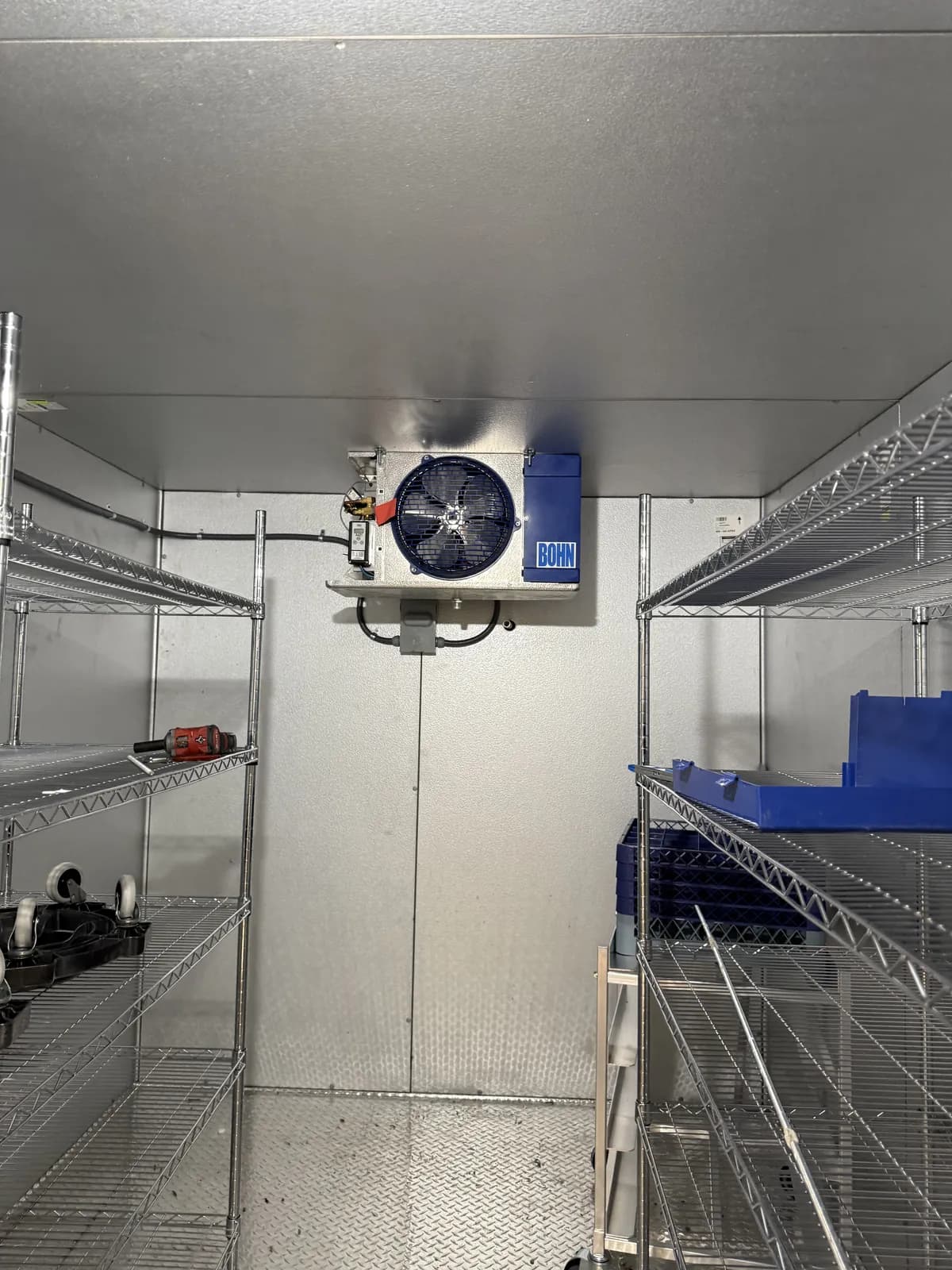
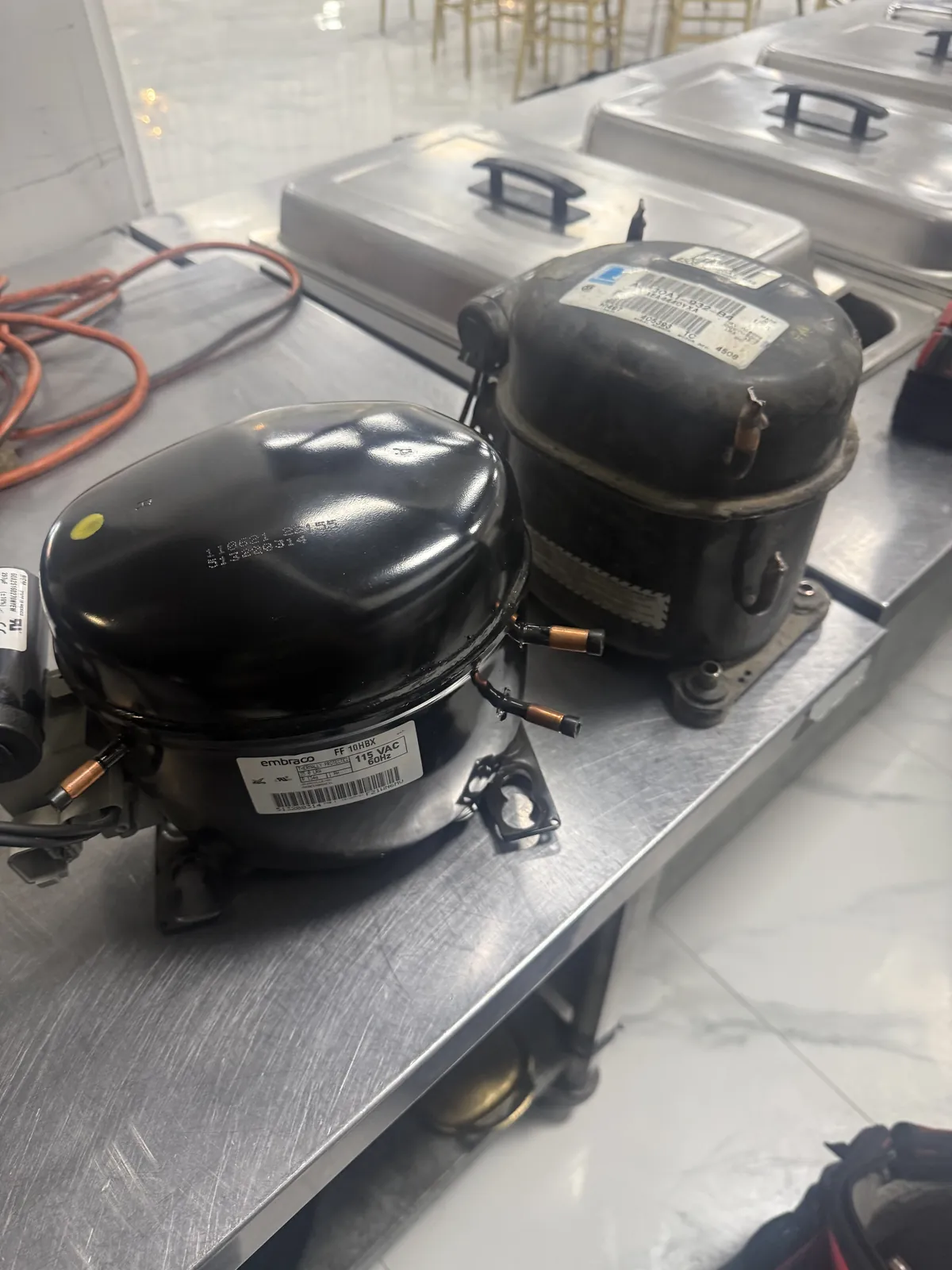
Compressor or relay trouble. As the heart of the system, the compressor moves refrigerant and creates the pressure that produces cold. A compressor that hums but will not start often points to a failed relay or capacitor, which costs far less to fix than the compressor itself.
Worn door gaskets and seals. Damaged gaskets are cheap to replace yet cause outsized problems in a humid climate. Warm air leaking past a torn seal makes the system work overtime, ices up coils, and drives energy bills higher every month.
A clogged drain line. Water pooling on the floor often traces back to a blocked condensate drain rather than a true leak. A plugged line backs up, freezes, and can interfere with the defrost cycle when left unaddressed.
Cooler Versus Freezer: Why the Fix Differs
A walk-in freezer is not just a colder cooler, and the repair approach changes with it. Freezers rely more heavily on scheduled defrost cycles, so many freezer "not cooling" calls actually trace back to defrost heaters, timers, or frost management rather than the compressor.
Coolers usually run air defrost and sit just above freezing, often around 34°F to 40°F. Freezers hold well below zero and ice up faster, which makes gasket condition, drain-line heaters, and defrost components the first suspects a technician checks.
When to Call a Commercial Refrigeration Technician
Some situations call for a professional right away, both to protect your inventory and to stay legal. Reach out to a commercial refrigeration technician when any of the following is true.
- Temperatures keep climbing after your basic checks, and product is approaching or crossing the 41°F cold-holding limit set by the FDA.
- Refrigerant loss is suspected, since sealed-system work legally requires an EPA Section 608 certified technician and specialized recovery equipment.
- Ice keeps returning on the coils even after a manual defrost, which usually points to a controls or defrost-component failure.
- A short-cycling compressor is tripping breakers or making loud mechanical noises that suggest an electrical or bearing problem.
- Your unit is still under warranty, because a do-it-yourself repair on sealed components can void coverage and cost you far more later.
For grocery, restaurant, and cold-storage operators, downtime gets measured in spoiled product and lost sales. Vice Mechanical offers 24/7 emergency commercial refrigeration repair across Broward County, so a failing box does not have to become a five-figure loss.
How Vice Mechanical Repairs Walk-Ins Across Broward County
Founded in Davie and led by Pedro Javier Pereira Jr., Vice Mechanical focuses on commercial refrigeration for supermarkets, restaurants, retail, and cold-storage facilities. Pedro brings hands-on experience commissioning refrigeration systems for national retail buildouts, including Target store projects, plus advanced work on CO₂ (R-744) rack systems.
Every diagnosis follows the same disciplined path: verify the temperature, isolate the failed component, quote the fix in plain language, and confirm the box holds spec before we leave. Our crew serves Davie, Fort Lauderdale, Hollywood, Pembroke Pines, Plantation, Sunrise, Weston, and the surrounding Broward communities.
Losing cold right now? Call Vice Mechanical at (786) 841-1011 for fast emergency service, or request service online and protect your inventory today.
How to Prevent Future Breakdowns
Most walk-in failures build slowly and show warning signs long before the box quits. A simple maintenance routine catches small issues while they are still cheap to fix.
- Clean the condenser coils on a set schedule, at minimum every three to six months, to keep heat rejection efficient in Florida’s climate.
- Inspect door gaskets monthly for tears or gaps, and replace worn seals before they ice up coils and spike energy costs.
- Watch for early symptoms such as rising temperatures, longer run times, unusual noises, or water pooling on the floor near the unit.
- Schedule professional preventive maintenance so a technician can check refrigerant levels, controls, and electrical connections before peak summer demand hits.
A structured walk-in cooler and freezer service plan turns surprise breakdowns into planned visits, which protects both your equipment and your product. Ask our team how a maintenance agreement can lower your long-term repair costs.
Frequently Asked Questions
Keep Your Cold Where It Belongs
A warm walk-in is a countdown clock on your inventory and your compliance record. Catch the easy causes early, know when to call a pro, and keep a maintenance plan in place so cooling failures stay rare. When cold cannot wait, Vice Mechanical is on call around the clock across Broward County.